
Rest in the Scriptures: A Biblical Perspective on Renewal And Wellness
What does the Bible say about rest? Rest is a concept that many of us understand, but very few actually prioritize (especially moms, am I right?) And yes, it’s even discussed in the Bible, so you know that must mean the concept of rest is important.
It’s so important, in fact, that rest is mentioned over 200 times in the Old Testament, and around 44 times in the New Testament.
But in a society where a spirit of hustle is celebrated, how can we prioritize rest?
In this article, we’ll explore what scripture says about rest, and how it can be a guidepost for our physical, emotional, and spiritual well-being.
And if you’ve been looking for a sign that you need to set down all the balls you’ve been juggling and take a deep breath.. let this be it.
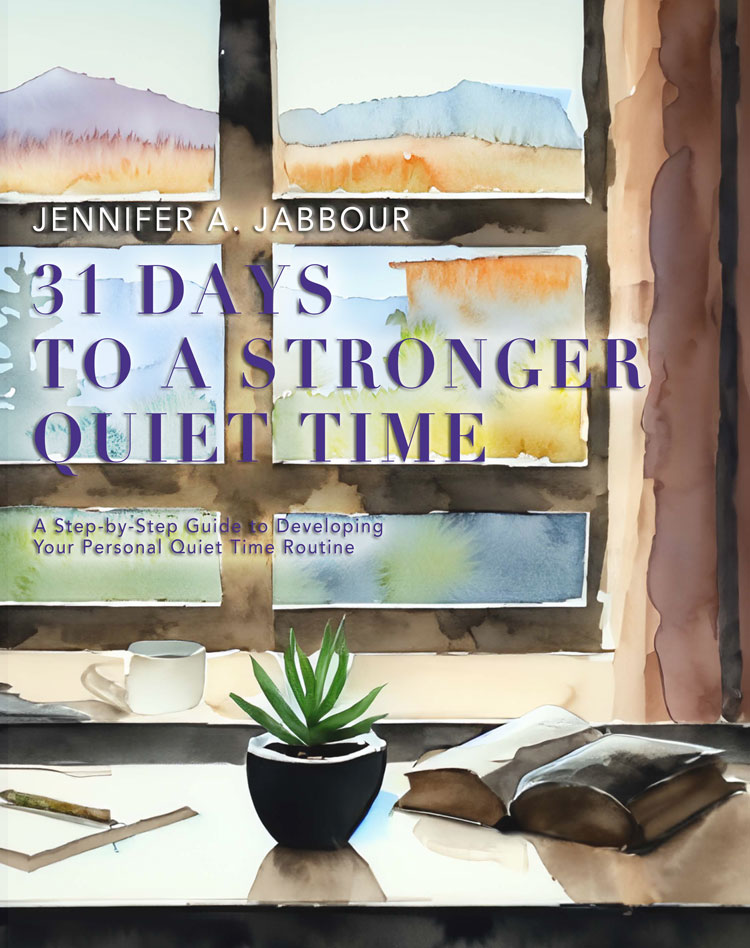
31 Days to a Stronger Quiet Time
Get out of your comfort zone of pre-written devotionals; and, instead, learn a method that will provide you with confidence to make your quiet time unique and personal to you. In this guide, Jennifer holds your hand, and gently walks you through her own quiet time routine, step-by-step, with a goal to not only create a routine of daily quiet time, but also to teach you how to study the Bible and develop a deeper connection with God.
How to Get Adequate Rest: Following The Principles of the Sabbath
Maybe one of the most notable and recognizable instances in the Bible concerning rest has to do with the Sabbath.
In Genesis, after creating the heavens and the earth, God rested on the seventh day, blessing and sanctifying it as a day of rest (Genesis 2:2-3).
This act sets the foundation for the importance of rest as a divine principle; even more so when we really stop to think that this lesson is taught to us in the very beginning of the Bible.
God worked to build all of creation, and when He was finished – He rested. He didn’t continue doing more, building more, editing His work or creating more, or planning for what would come next – even though He is a God of infinite possibilities.
No. Instead, He took a look at all that He had done, declared it good, and rested.
If rest was important enough for God to do it, what does that say about our needs? And if rest was important enough for God to do it, why is it something that we often skip? Pushing ourselves harder each and every day to accomplish more more more while foregoing the recharge so many of us desperately need?
The book of Proverbs also warns against lack of rest, stating in Proverbs 24:33, “A little sleep, a little slumber, a little folding of the hands to rest— and poverty will come on you like a thief and scarcity like an armed man.” Rest restores us physically, mentally, emotionally, and spiritually.
Just as God rested on the Sabbath, our earthly bodies and minds also need rejuvenation.
Rest for the Soul
Beyond the physical concept of rest, the Bible also emphasizes the importance of finding rest for the soul. In Matthew 11:28-30, Jesus invites all who are weary and burdened to come to Him for rest.
This spiritual idea of rest involves surrendering our worries and finding peace through Jesus.
With access to the world at our literal fingertips, it can be hard to step away and allow ourselves moments of stillness. The idol of social media emphasizes that more is best, bigger is better, and our value is quantified by a verified blue checkmark.
But with God, we only have to be still and know. We don’t have to continue to try and impress, or do more. We can simply unload our burdens and worries to Him and find rest and comfort from a God who cares for us.
Drawing parallels to our busy lives, this can serve as a reminder of the need to seek inner peace and spiritual rest amidst the undying chaos of daily routines and never-ending to-do lists.
Restoring the Temple
Restoring your temple is about more than just taking a break or getting enough sleep; it’s about renewing your spirit, mind, and body in alignment with God’s design.
The Bible emphasizes the importance of rest, not just as a physical necessity, but as a spiritual act of trust in God. In Psalm 127:2, we’re reminded that “In vain you rise early and stay up late, toiling for food to eat—for he grants sleep to those he loves.” God created rest as a gift, knowing that our bodies and minds need to be restored regularly.
Restoration begins with recognizing that our bodies are temples of the Holy Spirit (1 Corinthians 6:19). This means treating ourselves with care, respecting the boundaries God has set for us, and allowing ourselves the time to recharge.
It’s about more than just sleep; it’s about finding balance in our lives, learning to say no to what drains us, and yes to what energizes and refreshes us. True rest comes from letting go of the need to control every outcome and trusting that God is working on our behalf, even when we rest.
By embracing rest as a form of worship, we honor the way God designed us. We can restore our temples by practicing Sabbath rest, intentionally setting aside time to disconnect from the world’s demands and connect deeply with God.
This rest isn’t laziness; it’s a disciplined practice of trusting God, allowing Him to refresh us so that we can continue to serve Him with renewed strength and clarity.
Balancing Work and Rest
But how can you prioritize rest when you’re responsible for so many things? Jobs, and families, and projects, and car-pooling, and the list is just getting started.
Balancing work – our responsibilities, and rest is essential to living a fulfilling life. Yet it can often feel like a difficult dance between productivity and peace – where peace is often on the losing end.
The Bible gives us guidance on how to approach this balance by reminding us that while work is necessary and even good, it should never consume us to the point where we neglect our need for rest.
In order to achieve this balance, it’s important to set clear priorities and boundaries. This means recognizing that rest is not just a luxury reserved for those with “spare time” – but a necessity that allows us to work from a place of wholeness.
It’s about trusting that when we pause, God continues to work on our behalf, renewing our strength and preparing us for the tasks ahead.
We can honor this balance by creating intentional rest periods, whether it’s a Sabbath day, moments of prayer throughout the day, or simply taking a break when we feel overwhelmed. Even just pausing for a few moments to take a deep breath and focus is honoring the importance of rest.
Ultimately, balancing work and rest is about stewardship; managing our time, energy, and resources in a way that honors God.
When we work diligently and rest intentionally, we not only take care of ourselves but also position ourselves to serve others more effectively and joyfully.
This balance allows us to live fully in the present, trusting that God’s plan for our lives is not just about what we do, but also about who we become as we find rest in Him.
Related: How I Cultivated More Balance in My Busy Life
Rest and Stress Management
As Christians, we know that worrying and being anxious does not align with trusting in God’s plan for our lives. And even though it’s not always the easiest, we have to learn how to cast our worries and anxieties on God.
But how can we do this, when it’s so much easier said than done?
Give anxieties to God (1 Peter 5:7) – God tells us to cast all of our anxieties on Him because He cares for us. When we feel stressed, we can pray and give those burdens to the Lord. It’s almost like saying “Here, this isn’t my problem anymore.”
It reminds me of being a child and feeling overwhelmed or too young to understand how to do something. My mom was always there to step in and handle things when they were too difficult. The same goes in this situation. God is always there for us – when times are too difficult or we feel too unequipped to deal with our circumstances – we have a God who will never leave our side.
Fill mind with positive things (Philippians 4:8) – Dwelling on stressful thoughts will only breed more worry. Instead we can meditate on things that are true, honorable, just, pure, lovely, commendable and praiseworthy. Replacing anxious thoughts with uplifting truths from scripture brings peace.
The truth of the matter is we are what we think. And when we’re constantly filling our minds with negative thoughts or self-limiting beliefs.. we will start to mimic those very behaviors that are essentially holding us back.
Study Favorites


Trust in God’s faithfulness (Psalm 56:3) – When we feel overwhelmed, we must remember that God is in control and faithful to those who seek Him. He promises to be with us and strengthen us. Relying on His steadfast love calms our fears.
Be still before the Lord (Psalm 46:10) – Taking quiet time to be still in God’s presence allows our racing minds to rest. As we focus on Him through prayer and meditation on the Word, He renews us with His peace that surpasses understanding.
Approaching stress management God’s way leads to freedom from anxiety and confidence in His sovereign care over our lives. Keeping an eternal perspective brings a calmness that the world cannot provide – no matter how hard we try.
Pin this post for later…