Using Your Spiritual Gifts to Find Your Purpose in Life
Do you ever find yourself lying awake at night trying to figure out what your purpose on this earth is – or are you normal?
Kidding. I actually think it’s more normal to lie awake contemplating this very topic than not. And if you find yourself in the “not” category – take a moment to be grateful that along with a clear calling, God gave you confidence and a carefree attitude.
The rest of us have some work to do.
For me, this question has been a nagging thought that lives in the back of my mind. Am I doing what God wants me to do? Am I utilizing my talents and strengths? And don’t get me started on the what-ifs.
Determining what to do with your life is a completely personal journey – made even more confusing and complicated by a person’s individual factors that come into play. Things like interests, values, skills, and goals. And that’s not even taking into consideration things like opportunity or socioeconomic status – and the always pleasant feeling of pressure or obligation from your parents. And yes, privilege. They all play a role.
If you are someone who has struggled with this whole concept of purpose I want you to know one thing…
You’re not alone. It’s the age-old question that millions have grappled with. Here are some steps to help guide you in finding your path.
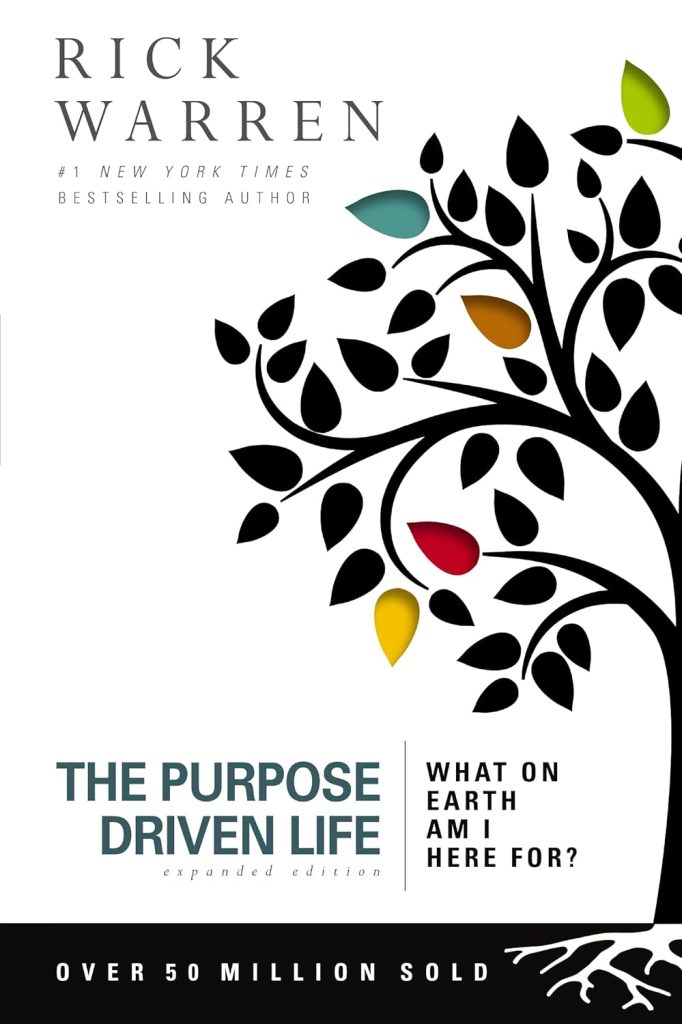
Rick Warren
The Purpose Driven Life: What On Earth Am I Here For?
Probably one of the best books written about purpose from a Christian perspective. If you have struggled with the concept of knowing why you were put on this Earth – this book is for you. Rick Warren will help you differentiate between your ministry and your mission by uncovering your spiritual gifts.
How to Identify Your Spiritual Gifts

Take the Free Test
RIASEC Test
A RIASEC test helps people discover career paths that align with their personality and interests. By assessing six categories—Realistic, Investigative, Artistic, Social, Enterprising, and Conventional—it identifies work environments and roles that complement individual strengths and preferences. This tool offers insight into suitable occupations based on personality traits.
The first step in figuring out what your gifts are is to have an understanding of what it means when we say “spiritual gifts.”
Now, I have to be honest, that this one can be a bit tricky. If you Google “what are spiritual gifts?” you’re going to find 10 different websites with 10 different answers. Just today alone the internet has told me there are 19 spiritual gifts, no – there are 22. No, there are 18, 28, 16. You get the idea.
Here’s a helpful resource from Tyndale that defines spiritual gifts.
What it really boils down to is spiritual gifts are those talents and abilities given to us by God for the purpose of serving Him and others, helping them grow in their faith.
If you have the spiritual gift of hospitality, your purpose might be found in creating welcoming spaces for others. This could look like hosting Bible studies or church gatherings in your home, organizing events that bring people together, or volunteering at a local shelter to serve meals with love and compassion.
For those with the gift of encouragement, purpose could be found in mentoring others, offering guidance and prayer, or writing letters and devotionals to uplift people in difficult seasons. Imagine using this gift to support new believers or individuals seeking comfort in their faith journey.
If your gift is administration, you might thrive in organizing ministries or church programs. Whether it’s coordinating mission trips, managing church finances, or helping streamline operations for faith-based nonprofits, your skills bring structure and efficiency, allowing others to focus on their roles in spreading the gospel.
It’s how we choose to use those gifts to honor God is what makes the difference.
Self-Reflection
I challenge you to take the time and really figure out who you are and what you stand for. But don’t do this while you’re distracted. Put away your phone, turn off the TV, and go somewhere quiet. Bonus points if you tack this practice onto the end of your Bible Study – because the real secret sauce here lies in listening to what God is telling you. Which can be hard to do when you’ve got the world’s volume turned all the way up.
Make a list of the things that are important to you. Your interests, passions, and the things that bring you joy. Consider your values and what matters most to you. And lastly, reflect on your strengths and weaknesses.
You can even ask yourself questions like – if money or time weren’t an issue – where would you go? What would you do?
Assess Your Skills and Strengths
Identify your skills and strengths, as well as areas where you want to improve. This can give you insight into potential career paths.
It’s okay to make a list of the things you think you’re good at. And if you struggle with coming up with a list, reach out to your family and friends and ask them to help you identify areas you’re good at.
Seek Guidance
Talk to mentors, friends, or family members who can offer advice and share their experiences. Sometimes an outside perspective can provide valuable insights.
Take it a step further and ask them to list three talents you possess, or three strengths that come to mind when they think of you.
Set Goals
Define short and long-term goals for different aspects of your life. Don’t box yourself in here. These goals can apply to your personal life, to relationships and friendships, your career, personal development, etc.
What is it you hope to achieve? No matter how big or small it may feel, write those big dreams and goals on down. Doing so can help you identify areas that really matter to you, and can help you narrow down where you want your focus to be.
Explore New Things
Maybe you just feel unsure in general about what you want to do, and that’s okay, too. Make it one of your small goals to try new things. This can be activities, hobbies, exploring new places, or even consider taking courses in areas that interest you.
Doing so can be a great way to discover new passions or talents that you may not have known you have.
Related: A Purposeful Life: Growing in Confidence and Faith
“He has saved us and called us to a holy life—not because of anything we have done but because of his own purpose and grace. This grace was given us in Christ Jesus before the beginning of time,”
2 Timothy 1:9 NIV
At the end of the day, I think we have to consider that maybe it’s less about what we do with our careers and more about who we become and how we honor God in the process. God calls us to live a holy life and to show the love of Jesus to others by the way we live. We can do that no matter if we’re writing books, or teaching classrooms, or cleaning boardrooms.
Remember, finding your path is a continuous process. It’s normal to reassess and make adjustments as you grow and learn more about yourself. If you find it challenging to navigate this journey on your own, consider seeking support from Biblical counselors or life coaches, your church, and those close to you. They can help to provide guidance tailored to your unique situation.
Pin this for later…